
Winter Warmers: Craft Beers for Cold Weather
Our theme today is Winter Warmers: Craft Beers for Cold Weather. Pull up a chair by the fire, warm your hands, and settle into rich malt layers, gentle spice, and slow-sipping comfort. From hearthside tastings to snowy-night stories, we celebrate the beers that glow from within. Join the conversation, share your favorite bottle, and subscribe for more cold-weather inspiration.
What Makes a Beer a Winter Warmer?
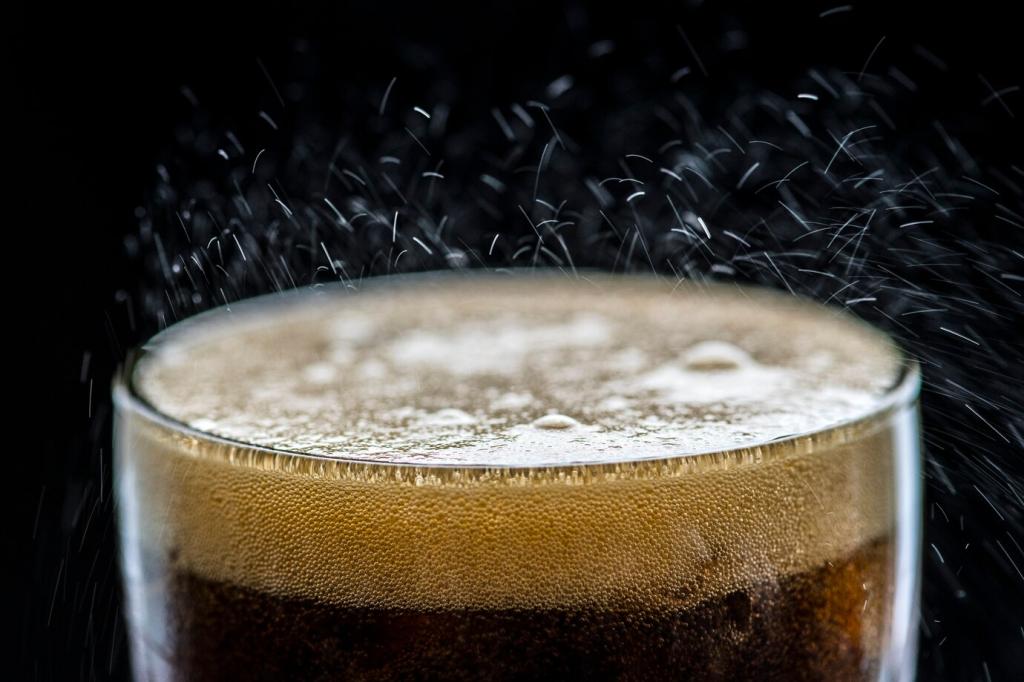
Winter warmers lean into layered malt character, building flavors of toffee, bread crust, dates, and gentle caramelization. Think rich base malts, a touch of crystal, and patient boiling that deepens color and complexity. The result is a cozy blanket of flavor that feels like coming indoors after snowfall.

What Makes a Beer a Winter Warmer?
The signature warmth should feel like a scarf, not a blowtorch. Careful fermentation keeps alcohol smooth and integrated, elevating aromatics without harshness. Served slightly warmer than standard ales, that gentle heat moves across the chest, inviting another contemplative sip and long, unhurried conversations by the fire.
Tasting by the Fire: A Sensory Guide
Appearance and Aroma
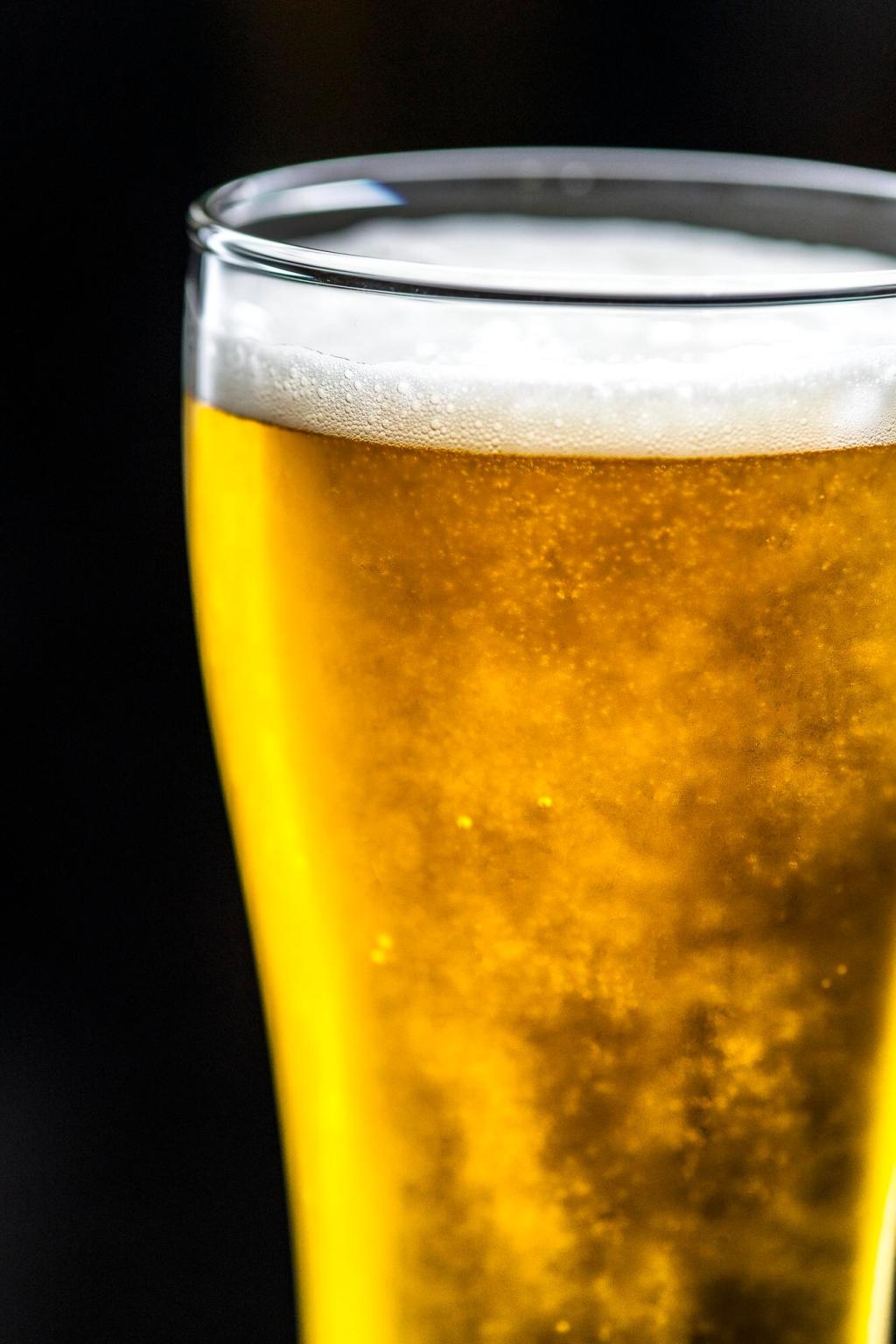
Hold your glass toward the lamplight and admire deep mahogany hues with ruby highlights. Inhale notes of molasses, toasted bread, dried figs, and orange zest, maybe a hint of cocoa or clove. Let the beer warm in your hands, and watch how aromas bloom with each rising degree.
Flavor Journey
First sip offers caramel and toasted malt, followed by dried fruit, brown sugar, and delicate spice. Mid-palate, subtle chocolate and nutty tones appear, balanced by gentle bitterness. Each swallow feels steady and reassuring, like footsteps on packed snow. Jot your impressions and share your tasting notes with our community.
Mouthfeel and Finish
A winter warmer should feel plush and velvety, with soft carbonation and a rounded body that carries flavor across the palate. The finish lingers with toffee, spice, and a comforting glow. Pause between sips, breathe in the aromas again, and tell us which textures you find most inviting.
Grain Bill and Mash Strategy
Start with a sturdy base like Maris Otter or Munich, then layer crystal malts, a touch of Special B for raisin depth, and perhaps a hint of chocolate malt. Mash slightly warmer to enhance body and sweetness. Consider a longer boil for color development, and target a festive, sippable strength without overreaching.
Yeast and Fermentation
Choose an English ale yeast with expressive esters that complement malt richness. Keep fermentation temperatures stable to avoid harsh alcohols, then allow a short conditioning period to smooth edges. Patience rewards you with a unified profile where fruitiness, malt, and warmth blend harmoniously into winter comfort.
Spice Additions, the Gentle Way
Treat spices like a finishing flourish, not the headline. Create a tea or tincture to dose cautiously after primary fermentation, tasting as you go. Cinnamon sticks, orange peel, or clove can add depth, but restraint preserves balance. Share your spice wins and lessons learned so others can refine their own recipes.


Food Pairings for Frosty Evenings
Think slow-braised beef, roasted root vegetables, and buttered mushrooms. Caramelized onions echo malt sweetness, while savory jus embraces the beer’s gentle bitterness. Try deglazing a pan with a splash of winter warmer for a glaze that hugs your plate. Share your cold-night pairing triumphs with the community.
Food Pairings for Frosty Evenings
Aged cheddar, Stilton, or nutty Gouda harmonize with toffee-rich malt flavors. Salty cured meats and toasted nuts provide welcome contrast, while dried figs mirror the beer’s fruitiness. Build a board, light a candle, and pair each bite with a measured sip. Tell us your favorite cheese-and-beer revelations.
Stories from the Snow
A small-town brewer once fought a power outage mid-fermentation during a whiteout, swaddling the tank in blankets and hot water bottles. The beer finished quietly, richer for the ordeal. Neighbors gathered to taste it, and every glass carried the storm’s memory. Share your own snow-saved brew stories below.

Stories from the Snow
Each year, a family simmered spiced ale with orange peel while neighbors sang at the front door. Granddad ladled steaming cups, reminding everyone to sip slowly and listen to the clove drifting upward. Today’s craft versions honor that ritual, inviting us to keep the tradition alive and welcoming.
Cellaring and Seasonal Releases
Cellar cool and dark, upright, and leave headspace undisturbed. Over months, oxidation nudges flavors toward fig, sherry, and toffee, while spice softens into harmony. Not every bottle needs years; taste periodically and note changes. Share your favorite aging sweet spots so others can plan their winter lineup.
Glassware, Temperature, and Serving Rituals
A small tulip or snifter concentrates aromatics, guiding each swirl toward your nose. The shape cradles warmth, encouraging slow appreciation. Keep portions modest to preserve temperature and focus. Tell us which glass feels best in your hand when the wind howls at the windowpanes.
Glassware, Temperature, and Serving Rituals
Serve slightly warmer than fridge-cold to unlock complexity. Let the bottle rest on the counter, or cup the glass gently to coax aroma. Avoid shortcuts like hot water or microwaves. Share your ideal serving temperature and how it changes the beer’s mood from first pour to final sip.
Glassware, Temperature, and Serving Rituals
Pour small measures, pass the glass, and listen for aromas named aloud: date, toffee, orange, clove. Breathe, sip, and pause together. Add a record spinning softly or a board game for unhurried rhythm. Tag your gathering and invite others to join our winter warmer club of cozy evenings.
Explore the Style: Breweries and Beers to Seek
01
British old ales offer raisin and toffee depth; American spiced ales play with cinnamon and citrus; Belgian strong dark ales bring plum and gentle phenolics. Each approach warms differently, like knitted scarves with distinct patterns. Which regional expression speaks to your winter mood? Share your preferences and discoveries.
02
Many breweries brew as leaves turn, conditioning through autumn for a late-fall release. Watch for holiday packs, taproom-only versions, and barrel-aged variants that appear briefly like northern lights. Keep notes, compare year to year, and subscribe for our roundup of can’t-miss seasonal moments across the craft landscape.
03
Winter can be tough for small taprooms. Swing by for a pint, pick up a crowler for a neighbor, and chat with the brewer about this year’s spice decisions. Share photos and thoughts, and help your community discover hidden hearthside gems pouring just down the street.